

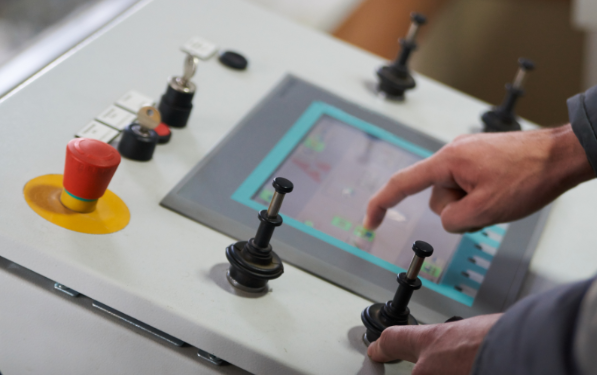
Controllers must be installed and configured correctly in large facilities where power continuity is critical. After all, these controllers oversee the operation of an industrial generator, keep an eye on its output, and make sure it reacts suitably to power outages. Equipment damage, downtime, and higher maintenance expenses might result from a controller that is improperly installed or configured.
thehousetips | royalearn | cryptograd | topcasinoideas | followthelaws
Learn five best practices for installation and configuration of generator controllers.
1. Select a Controller Suitable for Industrial Requirements
Selecting a controller designed for industrial applications is necessary before installation. Facilities with complex power demands require advanced controllers that support multiple functions such as load management, remote monitoring, synchronisation, and integration with building management systems (BMS). Avoid low-end controllers that may not handle high-power ratings or multiple generator sets. Ensure the selected controller is compatible with the make and model of your generator, and verify it supports the necessary communication protocols (e.g., Modbus, CAN, SNMP) used within your facility. The right controller reduces integration issues and enhances system reliability.
2. Ensure Proper Electrical Wiring and Grounding
Improper wiring and grounding are common causes of controller failures. During installation, adhere strictly to the wiring diagram provided by the controller manufacturer. All connections between the controller and the generator’s engine, alternator, sensors, and auxiliary systems must be secure and insulated. Improper or loose connections can result in erratic controller behaviour, false alarms, or complete shutdowns. Ground the system in accordance with local electrical codes and ensure the control panel’s protective earth is properly bonded. Use shielded cables for signal connections to minimise electromagnetic interference (EMI), especially in facilities with high electrical noise.
3. Configure Controller Settings Based on Load Profiles
Each facility has a unique load profile that must be considered when configuring the genset controller. Parameters like start delay, load transfer times, frequency thresholds, voltage settings, and engine protection features should be adjusted to suit the operational characteristics of your site. For example, in a hospital, you might need faster load transfer to protect critical systems, while a data centre may require more refined synchronisation for parallel generators. Failure to configure the controller based on actual site conditions can result in nuisance trips or failure to supply load when needed. Use load analysis data and consult with the manufacturer if needed.
4. Integrate with Facility Monitoring and Control Systems
Modern controllers often have communication capabilities that allow integration with supervisory control and data acquisition (SCADA) systems, BMS, and other facility-level monitoring tools. Proper integration allows real-time visibility into generator performance, fault diagnostics, and predictive maintenance alerts. When setting up integration, ensure that the IP addressing, port configuration, and protocol settings on the controller match those of the host system. Use secure network practices to prevent unauthorised access. Integration also enables remote control features, allowing facility engineers to start, stop, and configure the generator from a central location.
5. Conduct Thorough Testing and Commissioning
After installation and configuration, a comprehensive commissioning process must be carried out. This approach includes functional testing of the controller under various conditions, such as simulated mains failure, overload conditions, and synchronisation (if applicable). All alarms, protections, and communication links must be validated. Document the entire commissioning process and keep logs of the controller settings and firmware versions. It is also recommended to train the maintenance team on the use of the controller interface and procedures for routine testing. Regularly scheduled functional tests help identify potential issues before they cause operational failures.
bluephotoidea | Inspirebyblog | softxtubes | Higherseducation | bloggingcreation
Conclusion
The reliability of an industrial generator in a large facility largely depends on the proper installation and configuration of its controller. Adhering to best practices guarantees minimal downtime, precise performance monitoring, and smooth integration. Installation of controllers must be handled by facilities as a major infrastructure work, requiring the use of qualified experts, the right tools, and thorough testing protocols at every stage.
Visit Rehlko to experience power reliability engineered for the real world.