

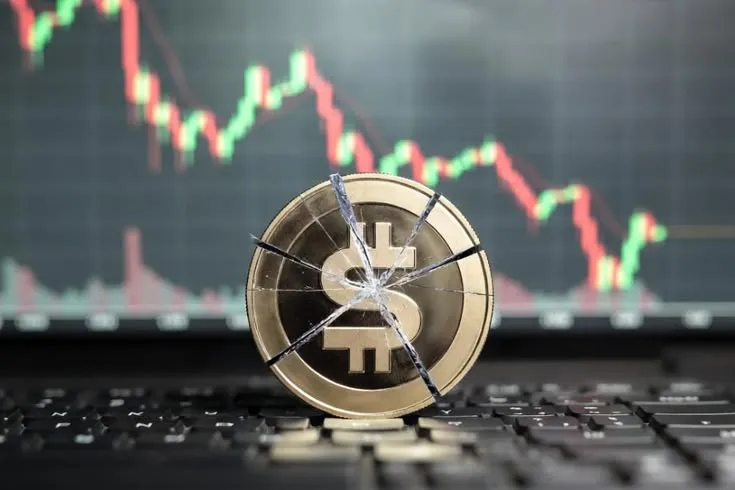
Stablecoins are often used by cryptocurrency traders who want to move between digital assets without immediately returning to conventional currency. USDT is among the best-known examples, with a value designed to remain close to the US dollar. However, a stablecoin’s target price is not an absolute guarantee. South Africans comparing a USDT Exchange South Africa should understand why its market price can occasionally move away from one dollar. Knowing what causes these movements helps traders distinguish normal price differences from potentially serious market problems.
Why Stablecoins Sometimes Trade Below One Dollar
A stablecoin peg represents the value its issuer aims to maintain. In ordinary conditions, buying and selling activity helps keep the market price close to that target. However, supply, demand, liquidity, and confidence can influence what traders actually pay.
When unusually large numbers of holders attempt to sell simultaneously, available buyers may demand a discount. The token can temporarily trade below its intended value. Such movements are often described as depegging, although their severity and duration can vary substantially.
How Reserve Confidence Influences Market Behavior
Holders may become concerned about whether a stablecoin issuer has sufficient assets to support its obligations. Questions about reserve composition, financial disclosures, or redemption arrangements can influence confidence even before an actual payment problem occurs.
Market rumors can also spread quickly, making reliable information particularly important. South African traders should distinguish verified announcements from speculation and examine issuer disclosures carefully. A stablecoin should never be assumed equivalent to an insured bank deposit.
The Difference Between Redemption and Exchange Trading
Stablecoin redemption generally involves exchanging tokens through arrangements established by the issuer, subject to eligibility, minimum amounts, and other conditions. Ordinary exchange customers may not qualify for direct redemption or have access to the same procedures.
Most retail traders instead buy and sell stablecoins through secondary markets. Prices in these markets can differ from the intended peg because they reflect available orders. This explains why a token designed around one dollar may trade at a slightly different quotation.
Why Trading Pair Liquidity Becomes Important
During periods of uncertainty, liquidity can determine how easily a stablecoin holder exits a position. Markets with limited buying interest may offer unfavorable prices, especially when substantial orders are submitted during heightened volatility.
Someone researching how to Buy And Sell Crypto South Africa should understand that trading conditions differ across assets and pairs. An exchange quotation represents an available market price, not a promise that every transaction will occur at the stablecoin’s target value.
The Role of Blockchain Networks During Uncertainty
USDT operates on multiple blockchain networks, and their technical conditions can affect transfers. Congestion, network fees, or temporary service interruptions may complicate attempts to move tokens between supported wallets or exchanges during unusual market activity.
Network selection becomes particularly important when traders are under pressure. Sending tokens through an incompatible network can cause serious losses. Users should verify receiving addresses and supported networks rather than rushing transfers in response to market rumors.
What South African Traders Can Monitor
A temporary difference between a stablecoin’s trading price and its target does not automatically reveal the underlying cause. Understanding the broader situation requires examining market activity alongside credible information from issuers and trading services.
Useful indicators include unusual price spreads, changes in available liquidity, official redemption announcements, and reliable reserve disclosures. South African users should also verify whether their selected exchange supports the relevant stablecoin and trading pair before attempting transactions.
Preparing for Unexpected Stablecoin Movements
Stablecoin holders sometimes concentrate entirely on the possibility of cryptocurrency prices rising or falling. However, assets designed to maintain a stable value introduce different risks involving issuers, reserves, market access, and redemption arrangements.
Traders should understand these exposures before treating stablecoins as temporary cash substitutes. Maintaining accurate transaction records and avoiding unnecessary concentration in unfamiliar products can support more deliberate decisions when market conditions become uncertain.
Conclusion
A stablecoin’s promise of price stability should be understood as a financial design objective rather than an unconditional guarantee. For South African traders, understanding reserves, redemption conditions, and liquidity can be more valuable than reacting immediately to a small price movement. zBit.com is one platform users can investigate when comparing cryptocurrency trading services and available assets. Before holding or exchanging USDT, it is worth understanding why its market price changes and what options may realistically be available if confidence suddenly weakens.